
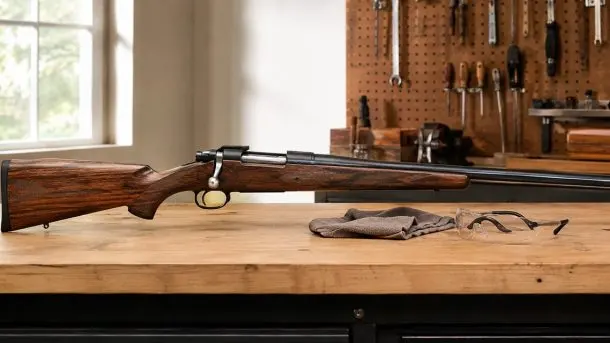
Addressing the Damp-Case Issue: Essential Steps, for Post-Range Firearm Maintenance
After a day spent at the shooting range you must give the firearm the care soon as you come home. Even if the exterior of the gun case looks dry water can remain inside the gun case. Allow rust to grow. This danger is stronger with gun cases because gun cases hold moisture from the air. A good post-range check stops rust. Firearm shows that firearm needs care.
Ensuring Your Firearm is Safe
Begin by unloading the firearm in a space that has no shooting gear following the safety rules in the firearm manual. Keep the muzzle pointed away from people at all times. Take all ammo out open the action and check twice that the firearm is empty. If the person is not sure talk to a gunsmith or trainer.
After the firearm is safe put any ammo from the cleaning spot before pulling the firearm out of its case. After the firearm is taken out look carefully at the gun case for signs of moisture such as cloth, cool spots or a stale smell. If the gun case sat in a car or on a floor the gun case must be checked well for water.
Spotting Rust Early
Use a flashlight to look closely at the firearm. Search for orange marks, dull patches or color changes on the screws, seams and sling mounts because those spots can be easy to miss. Remember that fingerprints can leave oil that makes rust grow if they are ignored. Watch carefully for any color shift or texture change on metal parts. A tiny spot may be harmless. Bigger patches that flake or pit should alarm the firearm.
Cleaning Your Firearm Thoughtfully
If the firearm is only damp set it in a room with airflow from heat or places where the temperature changes a lot. Let the surface water dry before any cleaner is used. Use a cloth to wipe fingerprints and light water. Do not scrub hard. Press hard because that can hurt the finish.
Choose cleaning products that match the finish of the firearm. Whenever possible use the products the manufacturer says are best for the model. A thin layer of oil stops rust. Much oil pulls dust. Can hurt the gun case later. Never use household cleaners such as bleach or ammonia or rough things like steel wool because they can ruin the firearm permanently.
Cleaning depends a lot on the finish of the firearm. Some parts clean without trouble but others need care. If the first cleaning does not get rid of spots or pits ask a professional for help. Risk damage.
Reevaluating Your Storage Strategies
After a day of shooting pause to look at how the firearm's stored. Make sure the gun case is fully dry and check all seals, linings and rooms in the gun case after each trip. Soft cases can keep water against the firearm and hard cases that are not dried well can still hold dampness.
Desiccant packs can absorb water. The gun case must know their limits. Follow the makers directions. Change the packs. Recharge them often. Relying on these packs may not work in places.
Good storage stops rust on the firearm. It keeps the firearm away from people who should not use it. Make sure the storage follows rules, which can change. Think about how humid the storage place's if it often gets damp check it often and do maintenance than a dry spot. Change the firearm care plan to fit the environment by using a calendar to remind.
Your Essential Post-Range Checklist
– Check that the firearm is unloaded and keep any ammo away from the cleaning spot.
– I recommend inspecting the gun case for any signs of dampness, odors or visible moisture.
– I recommend examining seams and contact points on the firearm for discoloration or roughness.
– I recommend allowing both the firearm and gun case to dry completely before using any cleaning solutions.
– I recommend adhering to the cleaning instructions in the manual and avoiding tasks beyond skill level.
– I recommend taking photographs of any concerns to monitor changes over time.
– I recommend storing the firearm in compliance, with laws and recommendations.
Following these guidelines after a range session protects the firearm. Shows that the owner is responsible. By writing down the condition of the firearm or taking photos the owner keeps track of changes. This helps keep the firearm reliable and safe.